Towing is the purest speed business in the auto world: a stranded driver calls two or three companies and rides with whoever answers and dispatches first. There is no second place, no callback queue, and no tomorrow.
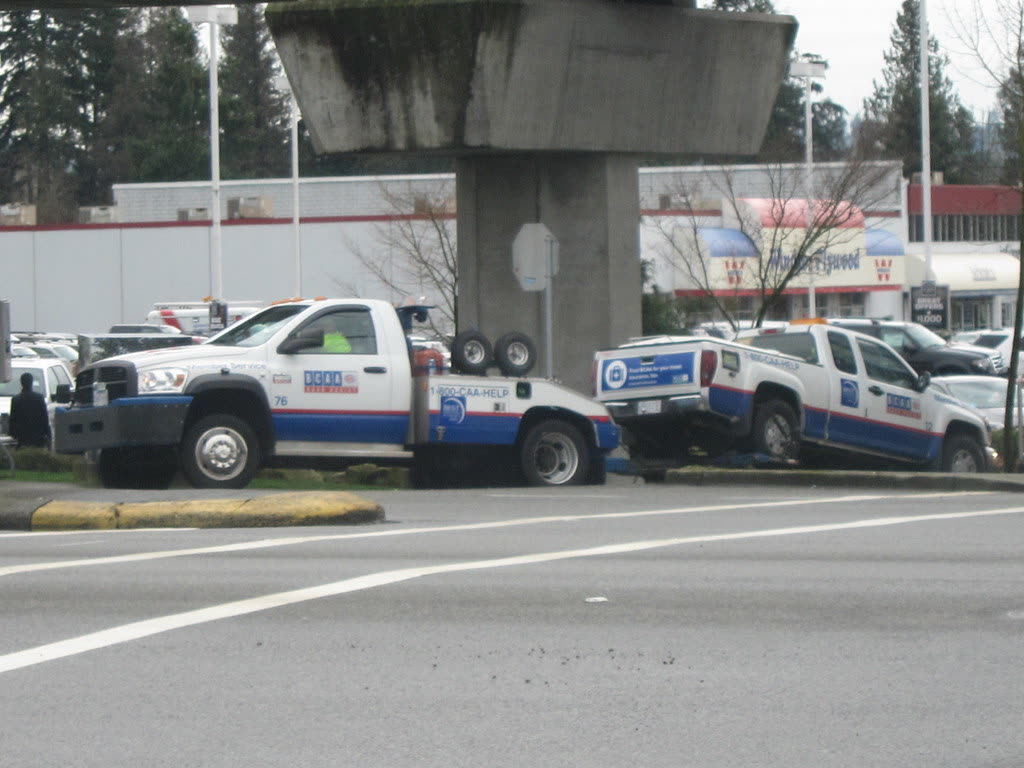
A winter storm hits at 1 a.m. and your phone becomes the busiest place in the county: a jackknifed pickup blocking a lane, a nurse whose car died after a night shift, a delivery van slid into a ditch with a load due at dawn, and a motor club batch of three more. You are driving one truck, your second driver is forty minutes out, and dispatch is you, answering between winches. Four of those callers reach voicemail and immediately dial competitors. On a normal night you lose a call or two. On the nights that define a towing company's year, you lose a convoy of them, purely because one human cannot dispatch and drive at once.
A driver is stuck and stressed. Marvic captures exact location details, vehicle, situation and safety notes, quotes from your rate structure, and dispatches per your rules.
A property manager needs an unauthorised vehicle removed. Details and authorisation are captured fully, and the job is queued per your contract process.
During a storm, parallel calls are answered simultaneously instead of queuing, so jobs are captured and prioritised by safety and contract value.
A dispatcher from a fleet account calls with two disabled units. Both jobs are logged with complete details and routed to your drivers in order.
Marvic AI is your always-on dispatcher. The AI Receptionist answers every call instantly, gathers the details a good dispatcher needs — exact location, vehicle, drivable condition, passengers, hazards and payment or account status — quotes from your approved rates, and assigns the job by your rules to the right truck. Customers get confirmations and honest updates by text. Motor club, fleet and property calls follow their own scripts and priorities. You and your drivers focus on the road while no stranded caller ever reaches voicemail and takes their job, or their whole account, down the list.
Multiple simultaneous calls are answered during storms and pile-ups, when single dispatchers physically cannot keep up.
Location, vehicle, situation and safety details are captured in dispatch-ready format, not scribbled message slips.
Only your approved hook, distance and extras rates are quoted, with unusual jobs escalated for your confirmation.
Contract callers are recognised and prioritised, protecting the accounts that smooth out your revenue.
Customers receive booking confirmations and status texts, cutting the anxious callback traffic during busy nights.
Calls are routed by the areas and capabilities you define. A call outside your zone gets a polite explanation and, where you choose, a referral suggestion rather than a dead end.
It quotes only from the rate structure you load: hook fees, per-kilometre or per-mile rates and common extras. Anything unusual is flagged for your confirmation before commitment.
Yes. Frequent callers like property managers, fleets and motor clubs can have priority handling rules, tailored greetings and direct escalation paths.
Customer details and status messages can flow by text and summary to the assigned driver, and customers get honest ETAs from your setup rather than invented ones.
There is a 14-day free trial, and plans are listed on the pricing page. For most operators, one retained highway contract or busy weekend covers the decision.
Put Marvic AI on your phones and your calendar — set up in days, answering in under a minute, 24/7.
Photo: SqueakyMarmot (BY-SA) via Openverse