Auto glass has a ticking clock built in: a repairable chip becomes a full replacement with one cold night or one pothole. Customers who cannot reach you quickly do not just delay, they cost themselves more and often end up at the shop that answered.
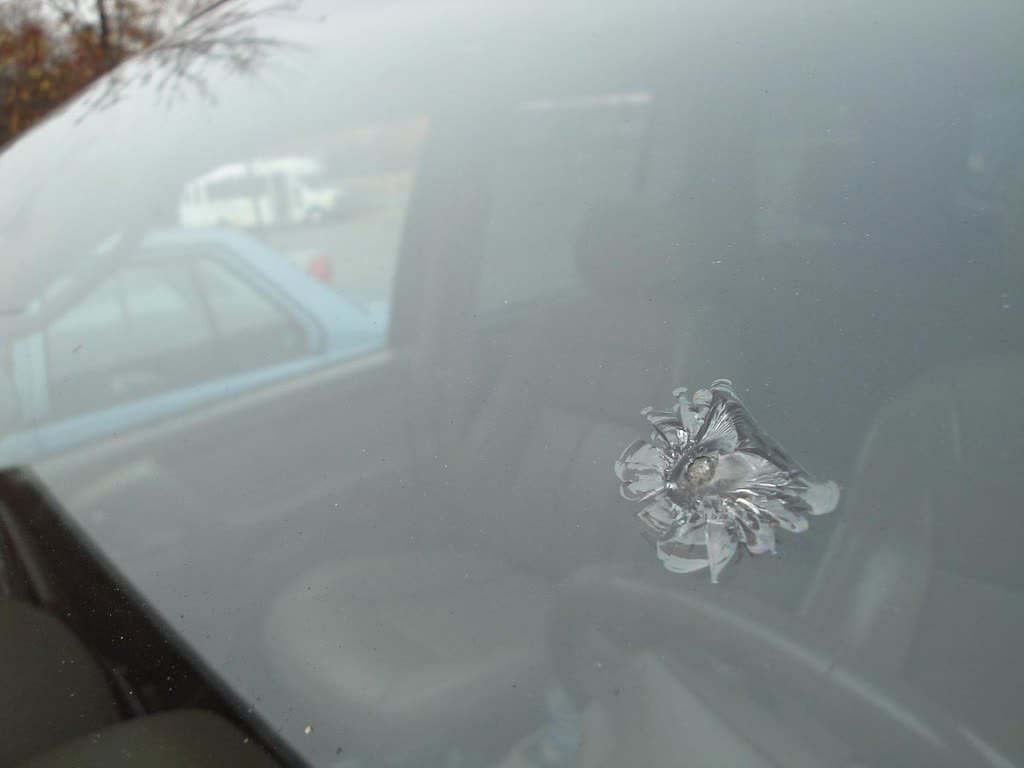
Monday morning after a weekend of highway driving, your shop phone carries the usual harvest: three rock chips, a cracked windshield on a family SUV that needs the car seats back by Thursday, and a dealership asking about calibration capacity. Your installer is out on a mobile job, your counter person is helping a customer whose insurance claim needs paperwork, and the calls stack up. One chip owner, told by a friend that chips spread fast, books with the chain store that answered immediately. By Friday that chip is a crack, the replacement and calibration happen elsewhere, and a fifteen-minute repair became someone else's premium job.
A driver just heard the stone hit. Marvic explains why speed matters, captures vehicle and damage details, and books the repair before the chip spreads.
A customer has a claim number and a cracked windshield. Insurance steps are explained, ADAS calibration is discussed where relevant, and the replacement is booked with parts details captured.
An office worker needs the mobile van at their workplace. Location, parking and timing details are collected so the route stays efficient.
A fleet manager books glass work for several vehicles. Jobs are scheduled in sequence per your capacity, with a single summary for their records.
Marvic AI answers your glass line with the urgency your product demands. The AI Receptionist distinguishes chips from cracks, captures year, make, model and glass features like rain sensors and lane-assist cameras, and books in-shop or mobile appointments with realistic durations. It explains insurance and calibration processes from your own procedures and sets cure-time expectations clearly. Speed2Lead calls website quote requests back in under 60 seconds, because the difference between your shop and the chain is often nothing more than who picked up while the damage was still small.
Chip versus crack, location in the driver's view and spread risk are assessed conversationally and recorded for the technician.
Sensor and camera features are captured on every replacement booking, so parts and calibration are planned, not discovered.
Workplace and home mobile jobs are booked with access and parking details that keep routes tight.
Claim steps and documentation needs are explained in plain language, reducing paperwork delays at drop-off.
Callers hear clear safe-drive-away times and care instructions, cutting repeat calls and avoidable warranty issues.
It can describe typical pricing factors you approve, such as vehicle type and glass features, but most shops book the inspection or job so the quote reflects the actual part and calibration needs.
Yes. That intake path is a priority: location, safety and vehicle details are captured quickly and the call is escalated to your mobile team immediately.
Insurance claim steps, deductible basics and direct billing process are explained from your procedures, and claim-specific questions are routed to your team with context.
Replacements and repairs follow the durations you set by vehicle type and service, including cure-time guidance given to the customer on the call.
There is a 14-day free trial, and plans are listed on the pricing page. One fleet account or a few recovered mobile jobs a month covers it for most shops.
Put Marvic AI on your phones and your calendar — set up in days, answering in under a minute, 24/7.
Photo: jronaldlee (BY) via Openverse