When a refrigerator warms up or a washer floods the laundry room, homeowners think about spoiling food and water damage, not comparison shopping. They call two or three repair companies in quick succession, and detailed intake, brand, model, and symptoms, decides who can actually promise a useful visit.
Your best technician is lying behind a stacked washer in a condo laundry closet, hands on a drain pump, when a call comes in from a homeowner whose fridge has climbed to twelve degrees with a week's groceries inside. She describes the problem to voicemail, hangs up, and books with a shop that answered, asked for her model number, confirmed the part was common, and offered a visit that same afternoon. By the time your tech surfaces and returns calls at lunch, she no longer needs you. The detail that wins appliance work is not just speed; it is arriving with the right part. Voicemail cannot ask for a model number, so voicemail keeps losing both arguments.
A caller reports rising temperatures and a clicking compressor. Marvic captures brand, model, and age, flags food-loss urgency, and books the earliest diagnostic slot.
A homeowner has water spreading across tile. The intake covers shutoff status, load type, and error codes, so the tech arrives ready for pump and hose inspection.
A range fails two days before a family gathering. The deadline is flagged, element versus control-board symptoms are recorded, and an expedited visit is arranged.
A property manager calls about a fridge, a dishwasher, and a dryer at different addresses. Each unit is booked separately with tenant contacts and access notes.
Marvic AI answers appliance repair calls around the clock and runs the intake your counter staff were trained on: brand, model and serial where available, age, exact symptoms, and any error codes on the display. That information lands on the booking, helping your tech pre-pull common parts and quote realistic time windows. Urgent fridge and leak calls are prioritised, multi-unit landlords are handled address by address, and website requests get Speed2Lead callbacks within a minute. The result is fewer phone-tag afternoons, fewer second visits, and a board built on complete information.
Every booking carries brand, model, age, and a plain-language symptom record, the inputs that drive first-visit fix rates.
Refrigeration calls are escalated by contents and temperature, ahead of convenience repairs like a noisy dryer.
For very old appliances, callers can be offered a diagnostic with clear expectations set in your wording, protecting trust either way.
Multiple addresses, tenant contacts, and approval limits are handled in one call without mixing units or details.
Callers asking about manufacturer warranty are routed with the information captured, rather than booked into the wrong queue.
The receptionist guides them to the common locations you specify, like inside the fridge door or behind the washer control panel. Even a partial capture saves your tech a diagnostic trip.
It can share your diagnostic fee and any standard ranges you approve, while explaining that parts are confirmed on site. Callers appreciate the transparency and still book the visit.
Your serviced-brand list is built into the flow. Callers with unsupported brands hear a polite explanation in your wording instead of booking a visit you would have to cancel.
Return visits for ordered parts can be booked with the job reference attached, keeping part arrivals and scheduling in step. Your office sees the whole chain in one place.
Start on the 14-day free trial, with plans shown on the pricing page. Shops usually measure it against first-visit fixes and same-day bookings captured, not just calls answered.
Put Marvic AI on your phones and your calendar — set up in days, answering in under a minute, 24/7.
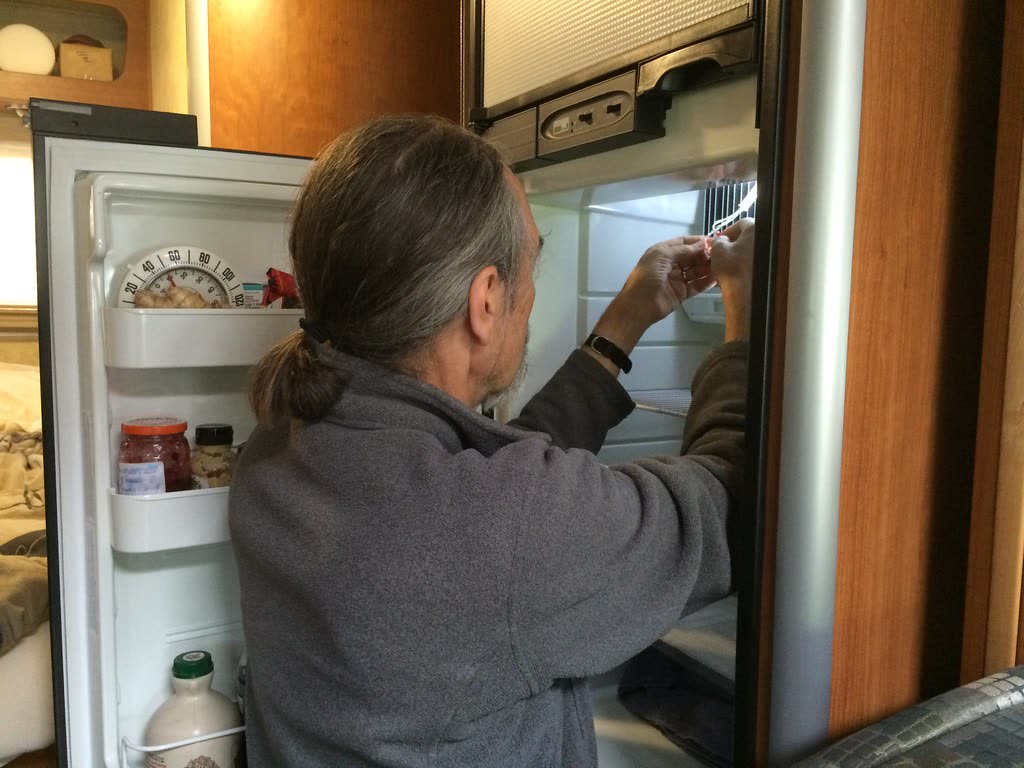
Photo: dvs (BY) via Openverse